How to Create a Calm Birth Environment (Even in Hospital)
Posted on January 5, 2026 | By Danielle Springall
When most women think about a calm birth environment, they instantly picture fairy lights, playlists, whale music, and quiet, dimly lit rooms. And if you’re planning to give birth in a hospital, that can feel a million miles away. When I was pregnant, the thought of bright lights, unfamiliar staff coming in and out, and constant interruptions filled me with anxiety. I didn’t want to give birth in a hospital at all. But from experience, I now know this. Calm in birth isn’t created by the room you’re in or the atmosphere you try to control. It’s created by how safe, informed, and supported you feel, and that is something you can prepare for, even in a hospital setting.
What Is a Calm Birth Environment?
A calm birth environment isn’t about silence, low lighting, or having everything go exactly to plan. It’s about how your body and mind feel in the space you’re in. When you feel safe, listened to, and included in what’s happening, your nervous system can soften, and that matters in labour. Calm doesn’t mean nothing changes or no one speaks. It means you understand what’s happening, you trust the people around you, and you feel confident in your ability to cope, even when things don’t look how you imagined they would.
Can You Have a Calm Birth in Hospital?
Yes, you absolutely can. A calm birth doesn’t disappear just because you’re in a hospital setting. Hospitals are busy places, and there will likely be bright lights, people coming and going, and moments where decisions need to be made. Calm isn’t about removing all of that. It’s about feeling grounded within it. When you understand what’s happening, know your options, and feel able to ask questions and take time where possible, everything shifts. You might not be able to control every part of the room, but there are always things you can control. Focusing on those is often what makes a hospital birth feel calm, steady, and manageable.
If you’re worrying about whether a calm hospital birth is realistic, you might also find it helpful to read The Truth About Hypnobirthing and Pain Relief, where I talk honestly about pain, fear, and control in labour.
Why the Birth Environment Matters More Than You Think
From my own experience, the birth environment affected far more than just how comfortable I felt. During my first labour, I was induced in hospital, under bright lights, continuously monitored, and surrounded by people coming in and out. I felt rushed, unsure of what was happening, and completely out of control. My body responded by tensing and resisting the process.
By my second birth at home, and then my third back in hospital, things felt very different. I took control of what I could in my environment. I kept the lights low, used my headphones, and leaned on the calming techniques I’d learned through hypnobirthing. It wasn’t a perfect or silent atmosphere, but it was one I felt in control of. That sense of control reduced unnecessary stress, helped my nervous system stay settled, and meant I could handle contractions, decisions, and changes calmly, without panicking or feeling overwhelmed.
Research supports this too. Studies have shown that feeling safe, respected, and involved in decision-making has a significant impact on how women experience labour and birth, often more so than the physical setting itself (Hodnett et al., 2012). You can read the full article here.
What Actually Creates Calm During Labour?
Calm during labour isn’t something that appears just because the room feels nice. It’s created through safety, understanding, preparation, and support. When you know what’s happening in your body, understand the choices being offered to you, and feel confident using tools that help you stay grounded, your nervous system can stay settled even when labour is intense. Calm isn’t about avoiding sensation or pretending things aren’t hard. It’s about feeling capable within them. That sense of capability grows when you feel informed, listened to, and supported, rather than rushed, confused, or out of control.
- Feeling Safe
Feeling safe is the foundation of calm in labour. When you feel emotionally and physically safe, your body is better able to relax and work with contractions rather than fighting against them. Safety doesn’t come from knowing everything will go perfectly. It comes from understanding what’s happening and trusting the people around you. When you’re kept informed, spoken to with respect, and given time to process decisions, your body can stay settled, even in a busy hospital environment. That sense of safety allows you to focus inward, cope with sensations, and stay present rather than being pulled into fear or tension.
- Feeling Heard and Respected
Feeling calm in labour is closely tied to feeling heard and respected. When you know your voice matters, anxiety softens. Being able to ask questions, have things explained clearly, and feel involved in decisions makes a huge difference to how in control you feel. This isn’t about refusing care or being confrontational. It’s about communication. When your preferences are acknowledged and consent is part of the conversation, labour feels like something you’re actively participating in rather than something that’s happening to you.
- Feeling in Control of What You Can
Feeling prepared for labour is really about knowing where your control is, and where it isn’t. From my own experience, I know how unsettling it can feel when you’re trying to control things that simply aren’t within your power. What made the biggest difference for me in later births was shifting that focus. Instead of fighting the environment, I focused on what I could control. How I responded, the questions I asked, the choices I made, and the tools I used to stay grounded. Understanding what might happen in a hospital setting helped me let go of what I couldn’t change and take ownership of what I could. That sense of control allowed me to stay calm, present, and confident, even when birth didn’t unfold exactly as planned.
- Feeling Supported by Your Birth Partner
Feeling calm in labour is so much easier when you know you’re not carrying it all alone. Your birth partner doesn’t have to be a specific person. It might be the other parent, a close friend, or a family member. Whoever that person is, understanding their role makes a huge difference. When your birth partner knows what you need from them and how to support you, everything shifts. They’re not there to manage the room or make decisions for you, but to help you stay grounded, informed, and steady when things feel intense. That shared understanding creates a sense of teamwork, and that support can have a powerful impact on how safe and calm you feel in the space.
There’s strong evidence behind this. A large Cochrane review found that continuous, supportive presence during labour can reduce anxiety and improve women’s overall birth experiences (Bohren et al., 2017).
What If My Birth Doesn’t Go to Plan?
This is a question that comes up so often, and it’s usually where calm feels most fragile. When you have a specific type of birth in mind and things start to look different, when birth begins to veer away from the path you expected, calm can crack. I know this because during my first birth, I didn’t feel in control. Things weren’t going the way I had hoped, and because I felt rushed and unheard, my anxiety spiralled. I didn’t feel informed, and I didn’t feel involved in what was happening.
By my third birth, a planned home birth, that felt very different. When that home birth became uncertain, I made a decision before anyone else told me what I had to do. I chose to take control and opt for a hospital birth because I understood what was happening and trusted my ability to make that choice. I knew how my brain works, I knew what questions to ask, and I knew I could pause and ask for time before responding. No, everything didn’t go perfectly, but it was the best possible birth it could have been and deeply healing after my first. It didn’t go to plan, but I felt in control from start to finish, and that was the game changer.
Is Calm in Birth Something You Can Learn?
This is one of the most common questions I hear, usually when parents say, “I don’t know how to relax,” or “I don’t know how to be calm.” And the answer is always the same. Yes. Calm in birth isn’t a personality trait, and it isn’t something you either have or you don’t. It’s something you can learn, practise, and build confidence in over time. When you understand how your body works in labour, how your mind responds to stress, and where your control really sits, calm becomes something you can access, even in intense or unexpected moments. When it’s rooted in understanding, preparation, and support, calm becomes resilient rather than something that disappears the moment birth looks different to how you imagined.
How Hypnobirthing Supports a Calm Birth Environment
This is exactly where hypnobirthing fits in. Not as a way to create a perfect birth, but as a way to build calm that holds steady when things change. Hypnobirthing focuses on understanding what’s happening in your body, recognising how your mind responds under pressure, and giving you practical tools to stay grounded when labour feels intense. It’s about learning where your control is, practising how to access calm, and helping your birth partner understand how to support you in a way that actually helps. When those pieces come together, calm stops being something you hope for and becomes something you know how to return to, regardless of where or how you give birth.
You Don’t Need the Perfect Environment
A calm birth environment isn’t about getting everything “right” or creating the perfect setting. It’s about feeling safe, informed, and in control of the things that matter most to you. Even in a hospital, even when plans change, calm is still possible when you understand what’s happening, feel supported, and trust your ability to cope. You don’t need to change where you give birth to change how you experience it. Calm isn’t something you hope for. It’s something you can build, practise, and carry with you into birth, whatever path it takes.
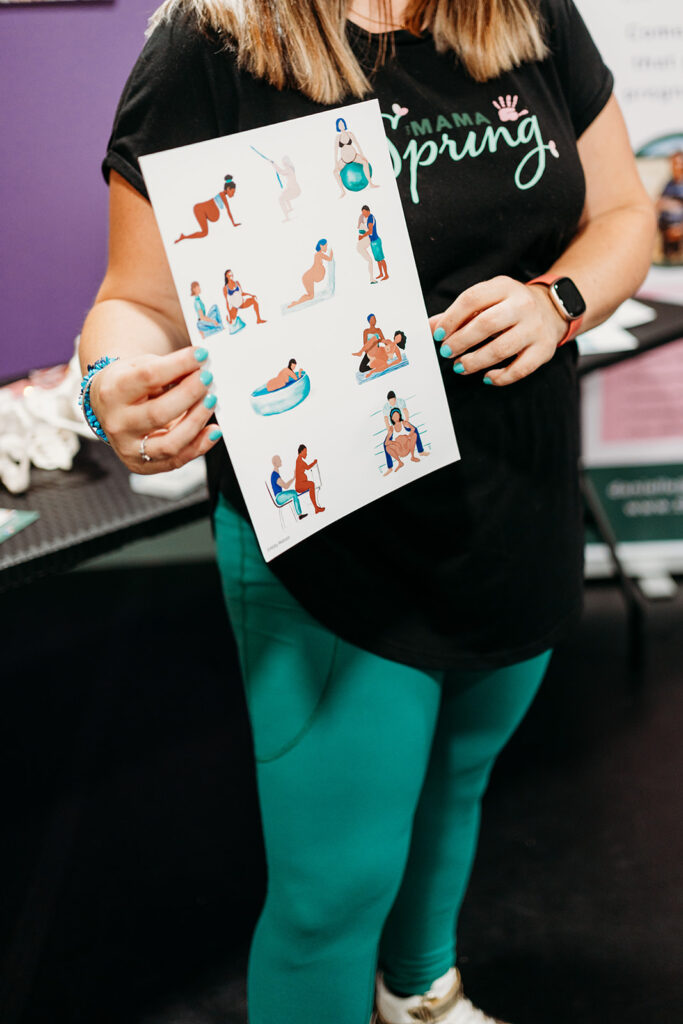
If you’d like support building this kind of calm for your own birth, you can find details about my hypnobirthing courses here.
Discover more about my Hypnobirthing Courses
Read about the benefits of Baby Massage
Read more about the benefits of hypnobirthing